The rapid rise in popularity of podcasts has led to a diverse range of content being produced across various genres. With the increasing demand for high-quality podcasts, many states have started investing in podcast creation as a means to promote their culture, history, and values. However, as the number of state-paid podcasts continues to increase, concerns about hyperinflation in the podcasting market have been raised.
Category : |
Sub Category : Posted on 2024-09-07 22:25:23
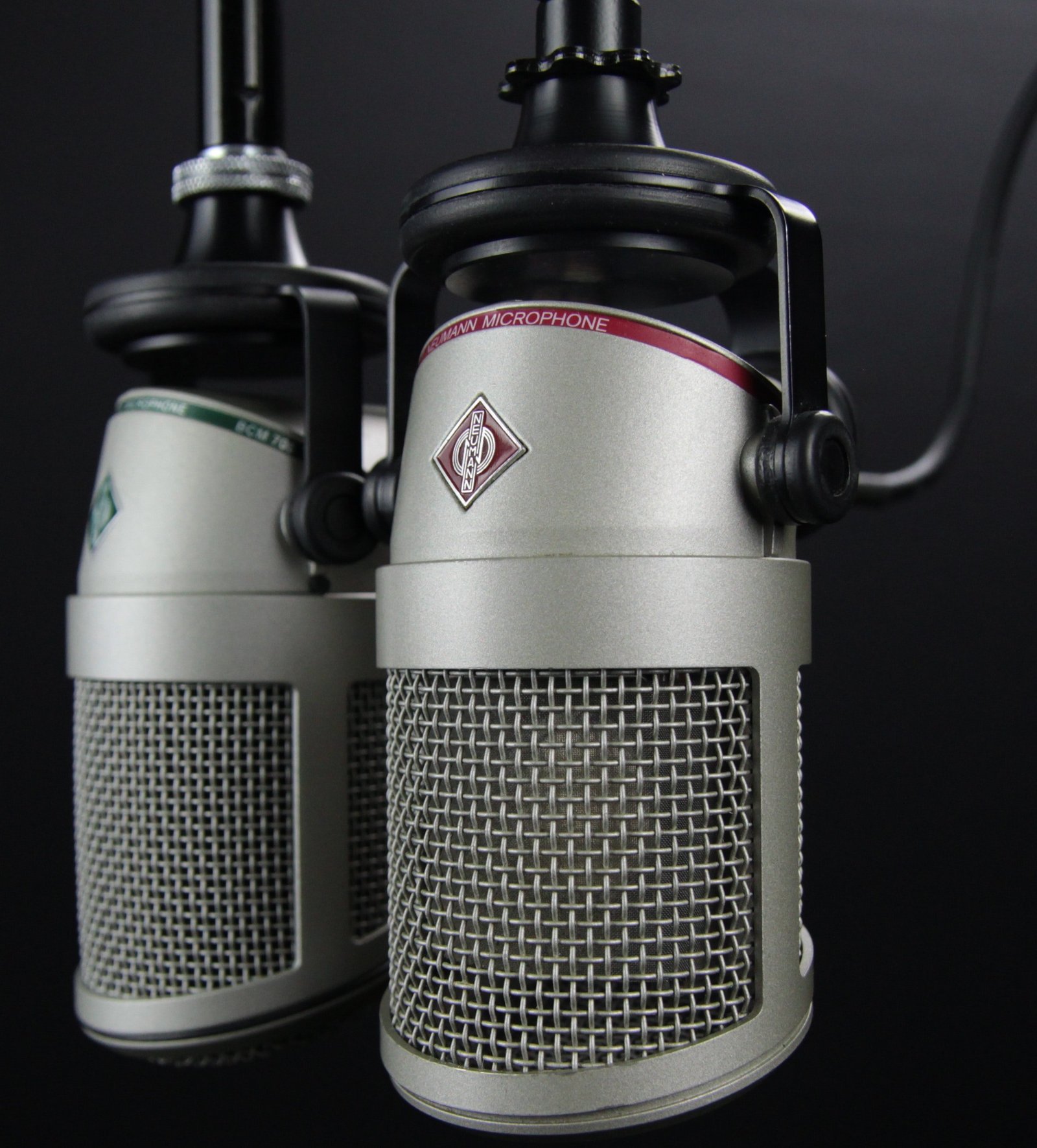
Hyperinflation in the podcasting industry refers to the excessive increase in the number of podcasts being produced by state-funded entities. While the intention behind these state-sponsored podcasts is often to educate, inform, or entertain the public, the sheer volume of content being produced can overwhelm listeners and dilute the quality of the podcasts available. One of the main issues with hyperinflation in state-paid podcasts is the potential for saturation within specific niches or topics. When multiple state-funded podcasts cover the same subjects, it can be challenging for listeners to find unique and engaging content. This oversaturation can also make it difficult for smaller, independent podcast creators to compete for listeners' attention and support. Furthermore, hyperinflation in state-sponsored podcasts can lead to a lack of diversity in the podcasting landscape. If a significant portion of podcasts are funded and controlled by states, there may be limited representation of diverse voices, perspectives, and ideas. This can hinder the overall growth and inclusivity of the podcasting community. To address these challenges, it is essential for states investing in podcast creation to prioritize quality over quantity. By focusing on producing well-researched, engaging, and unique content, state-paid podcasts can stand out in a crowded market and provide value to listeners. Additionally, states should consider collaborating with independent podcasters and supporting a diverse range of voices to ensure a vibrant and inclusive podcasting ecosystem. In conclusion, while state-paid podcasts can play a valuable role in promoting culture and education, the issue of hyperinflation poses challenges that need to be carefully considered and addressed. By balancing quantity with quality, fostering diversity, and supporting independent creators, states can contribute to a thriving podcasting landscape that benefits both creators and listeners alike.


