Addressing State-Paid Podcast Complaints: Analyzing the Challenges and Solutions
Category : |
Sub Category : Posted on 2024-09-07 22:25:23
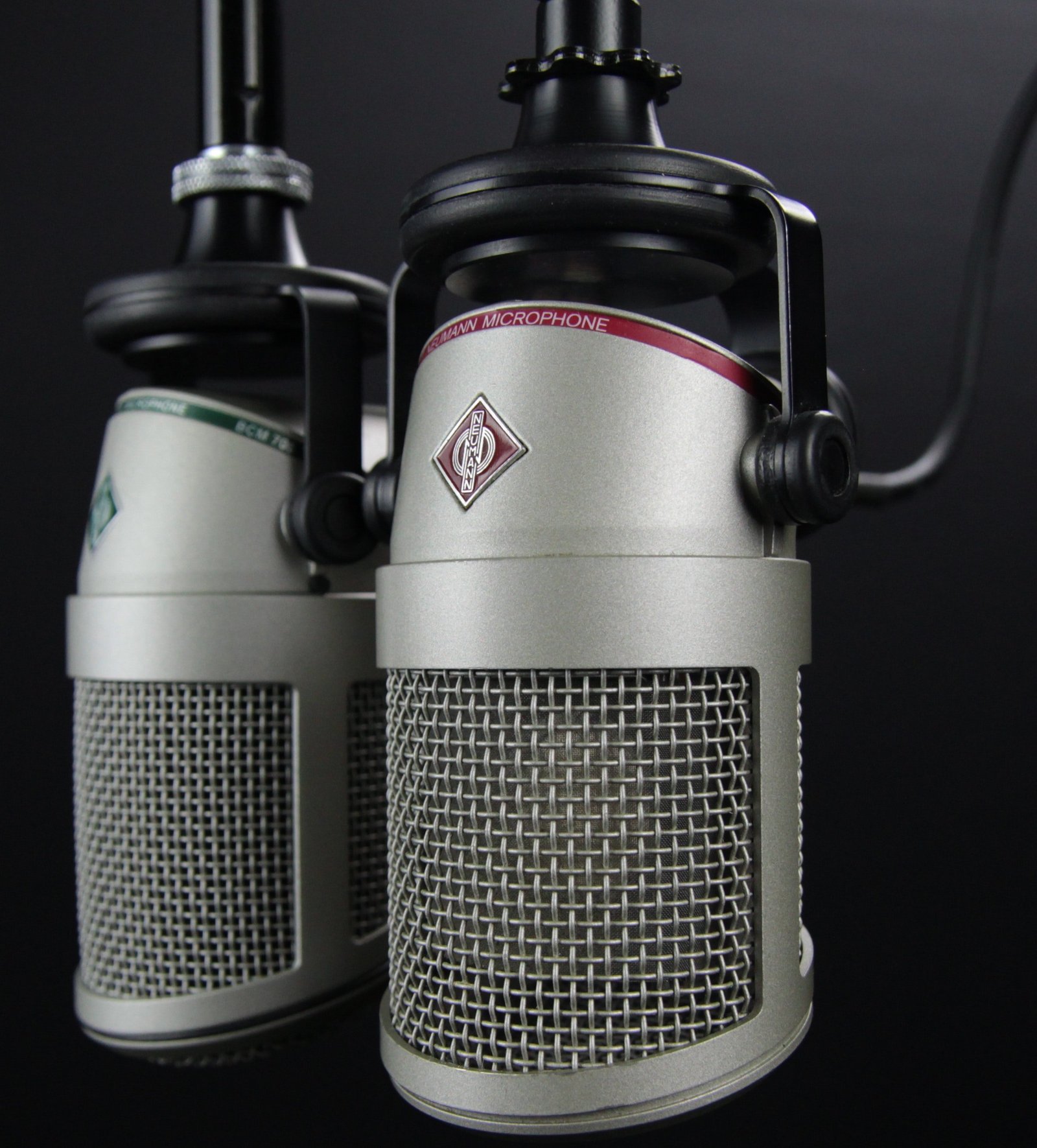
Podcasts have become a powerful medium for sharing information, sparking discussions, and entertaining audiences worldwide. With the rise in popularity of podcasts, many state governments have started investing in podcasting as a means to disseminate important information to the public. While state-paid podcasts can be a valuable tool for communication, they are not without their challenges and complaints. One common complaint about state-paid podcasts is the perception of bias and propaganda. Critics argue that government-funded podcasts may present information in a one-sided or biased manner to push a particular agenda. This can erode trust in the podcast and the government entity behind it. To address this complaint, transparency and objectivity are essential. State-paid podcasts should strive to present a balanced perspective, cover a range of viewpoints, and clearly disclose their funding sources to build credibility with listeners. Another issue that often arises with state-paid podcasts is quality and production value. Some listeners may criticize these podcasts for being low-quality, unengaging, or lacking in professionalism. To combat this complaint, state governments should invest in proper training and resources for podcast producers and hosts. This includes hiring experienced podcast professionals, improving audio production quality, and ensuring that the content is well-researched and presented in an engaging manner. Additionally, lack of listener engagement and accessibility can be a common complaint with state-paid podcasts. If a podcast fails to reach its target audience or struggles to maintain listener interest, it may not effectively fulfill its intended purpose. To address this issue, state governments should focus on promoting their podcasts through various channels, engaging with listeners through feedback and interactive features, and making the content accessible to a wide range of audiences. In conclusion, while state-paid podcasts can be a valuable tool for communication and information dissemination, they are not immune to complaints and challenges. By addressing issues such as bias, quality, and engagement, state governments can improve the effectiveness and credibility of their podcasts. Ultimately, fostering transparency, objectivity, and audience engagement are key to creating successful state-paid podcasts that effectively serve the public interest.


