**Exploring the Relationship Between State-Funded Laptops and Podcasts**
Category : |
Sub Category : Posted on 2024-09-07 22:25:23
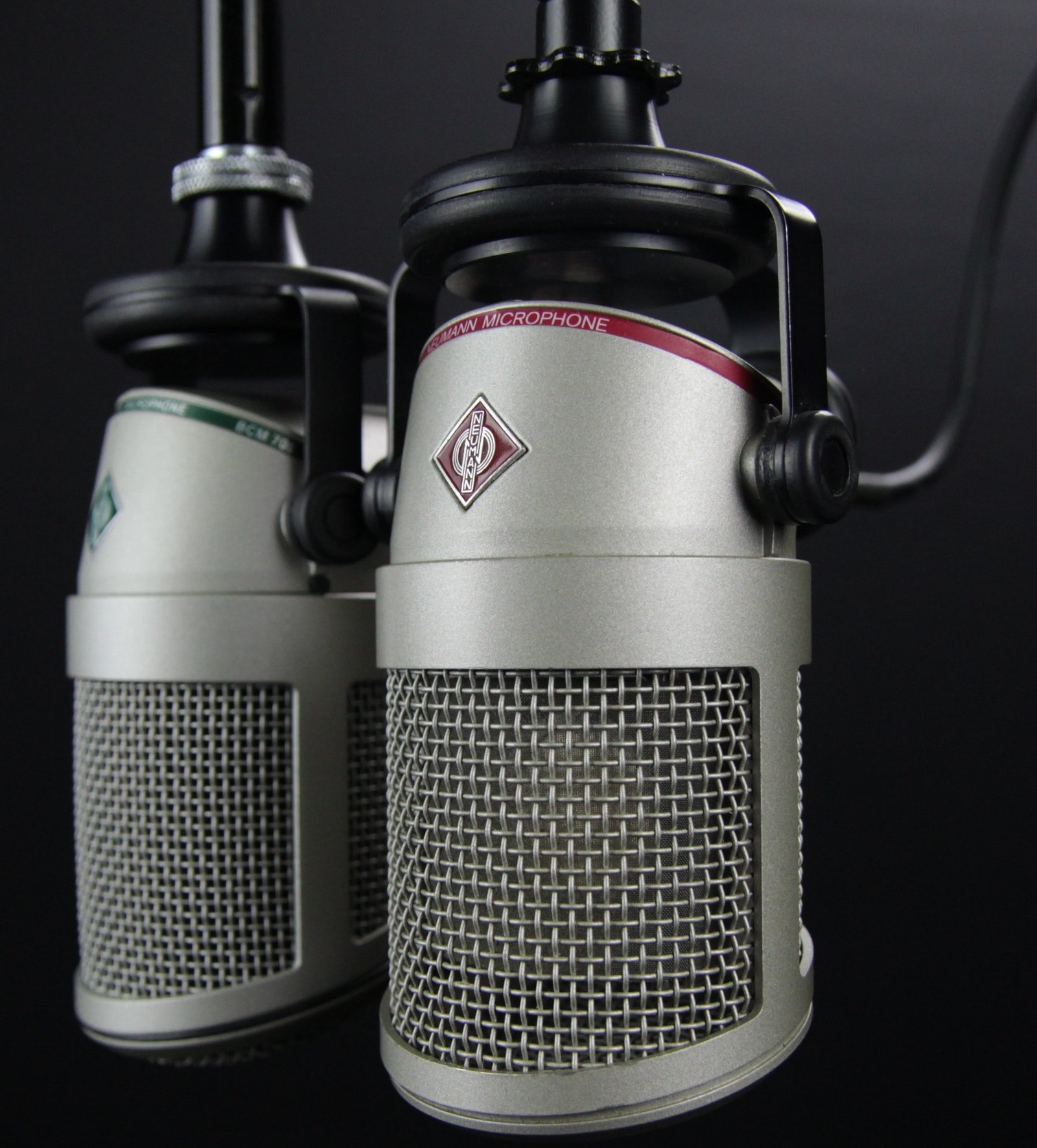
In the digital age, technology has become an integral part of education, with many schools and educational institutions providing students with laptops to enhance their learning experience. State-funded laptop programs are designed to ensure that students have access to the necessary resources to succeed academically. At the same time, podcasts have surged in popularity as a valuable educational tool that can supplement traditional classroom teaching. In this blog post, we will explore the relationship between state-paid laptops and podcasts and how they can work together to benefit students. State-funded laptop programs aim to bridge the digital divide and provide all students with equal access to technology. By equipping students with laptops, schools can facilitate online research, interactive learning, and collaboration among students. Laptops offer a versatile platform for accessing educational resources, completing assignments, and developing digital literacy skills. Additionally, laptops enable students to engage in multimedia projects, presentations, and online communication with peers and teachers. Podcasts, on the other hand, offer a unique way to deliver educational content in an audio format. Podcasts cover a wide range of topics, including history, science, literature, and more, making them a valuable resource for students seeking additional information outside the classroom. Podcasts can be educational, entertaining, and informative, providing students with an alternative way to engage with course material and explore new ideas. With the rise of mobile devices, students can easily access podcasts anywhere, anytime, making them a convenient learning tool. When state-funded laptops and podcasts are combined, students can benefit from a more comprehensive and engaging learning experience. With a laptop, students can download and listen to podcasts related to their coursework, expanding their knowledge and understanding of the subject matter. Educators can also incorporate podcasts into lesson plans to provide students with different perspectives and stimulate critical thinking skills. By integrating podcasts into the curriculum, teachers can enhance student engagement and cater to different learning styles. Furthermore, state-funded laptops can serve as a platform for students to create their podcasts. With easy access to recording and editing software, students can produce their podcasts on various topics, showcasing their creativity and communication skills. This hands-on approach not only enhances students' technical abilities but also empowers them to take ownership of their learning process. In conclusion, state-paid laptops and podcasts can complement each other to enrich the educational experience for students. By leveraging technology and multimedia resources, educators can create dynamic learning environments that inspire curiosity, creativity, and lifelong learning. As technology continues to evolve, integrating state-funded laptops and podcasts into education can help prepare students for the digital world and equip them with the skills they need to succeed in the 21st century.


