Uncovering Scam Nutrition Podcasts: How to Spot and Avoid Misleading Information
Category : |
Sub Category : Posted on 2024-09-07 22:25:23
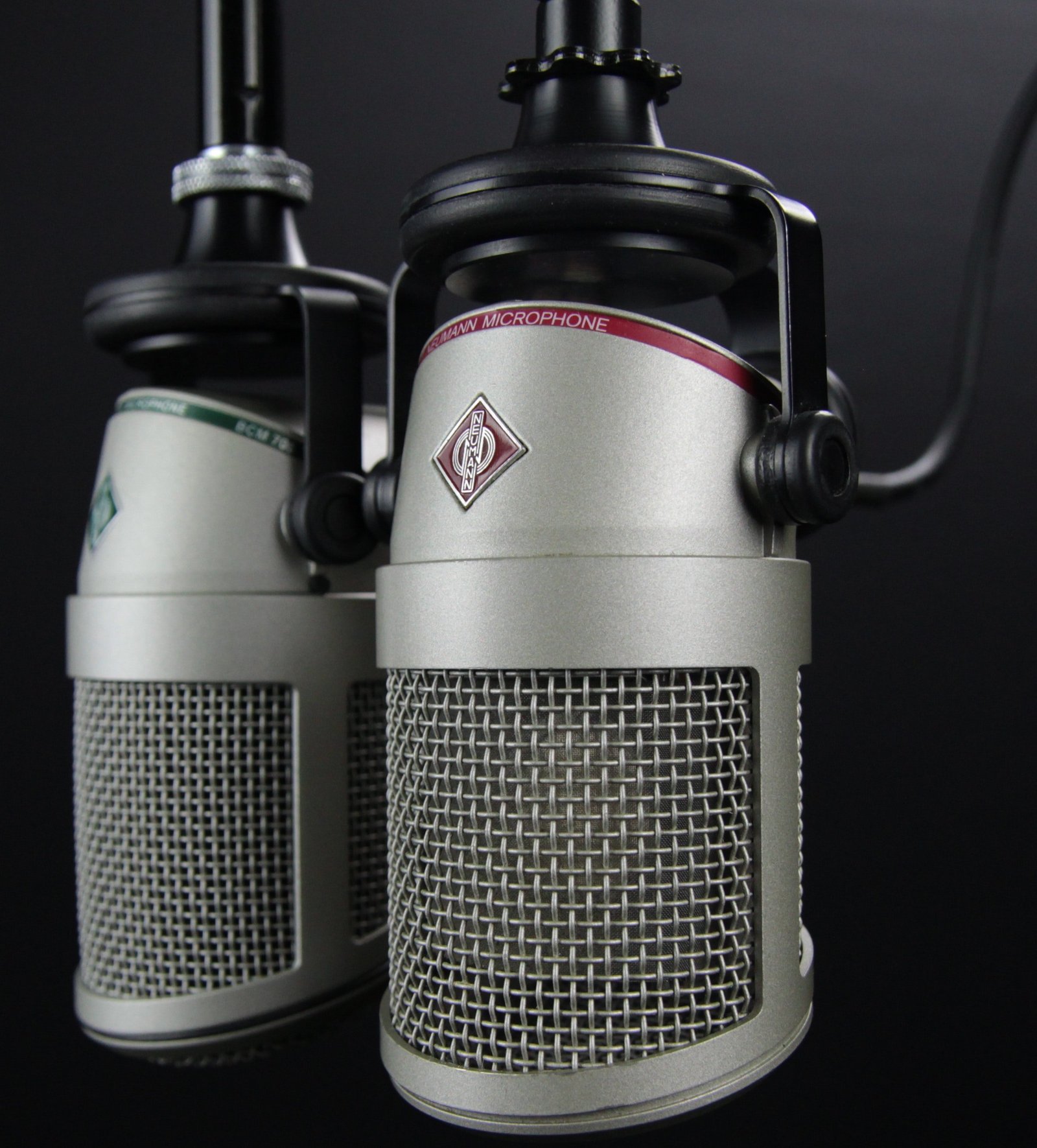
In recent years, podcasts have become a popular platform for sharing information on a wide range of topics, including Nutrition and health. While many podcasts offer valuable and evidence-based insights, there has been an increase in the number of scam nutrition podcasts spreading misinformation and promoting ineffective or even harmful products and practices. As a listener seeking reliable nutrition advice, it is essential to be able to distinguish between trustworthy podcasts and those that are simply looking to make a quick buck. Here are some red flags to look out for when identifying scam nutrition podcasts: 1. Lack of Credible Credentials: One of the first things to consider when evaluating a nutrition podcast is the host's credentials. Are they a registered dietitian, nutritionist, or other qualified healthcare professional? Be wary of hosts who lack formal education or credentials in nutrition and health. 2. Overemphasis on Products: If a nutrition podcast consistently promotes certain products or brands, especially those that are expensive or make grandiose promises, it's a sign that the podcast may be more focused on making sales than providing unbiased information. 3. Quick-Fix Solutions: Beware of podcasts that promote "miracle" or quick-fix solutions to complex health issues. Sustainable and evidence-based nutrition advice often involves gradual changes and personalized recommendations based on individual needs. 4. Sensationalism and Fear-Mongering: Podcasts that rely on fear tactics or sensationalized claims to grab listeners' attention are more likely to spread misinformation rather than educate and empower their audience. 5. Disregard for Scientific Evidence: Nutrition recommendations should be backed by scientific research and evidence. Be cautious of podcasts that cherry-pick studies or misinterpret data to support their claims. So, how can you protect yourself from falling victim to scam nutrition podcasts? 1. Do Your Own Research: Look for podcasts hosted by qualified experts with a solid track record in the field of nutrition. Verify the information presented on the podcast by cross-referencing it with reputable sources. 2. Trust Your Instincts: If something sounds too good to be true or raises doubts, listen to your gut feeling. Remember that credible nutrition advice is often grounded in moderation, balance, and individualized recommendations. 3. Seek Multiple Perspectives: Expand your knowledge by listening to a variety of nutrition podcasts from different sources. A diverse range of perspectives can help you make informed decisions about your health and wellness. 4. Consult a Professional: If you have specific nutrition concerns or goals, consider consulting a registered dietitian or healthcare provider for personalized guidance tailored to your unique needs. By being vigilant and discerning in your podcast choices, you can avoid falling prey to scam nutrition podcasts and instead benefit from reliable, evidence-based information to support your health and well-being. Remember, your health is worth investing in, so choose your nutrition resources wisely.


