### Exploring the Intersection of Public Relations, Podcasts, and Law & Regulations
Category : |
Sub Category : Posted on 2024-09-07 22:25:23
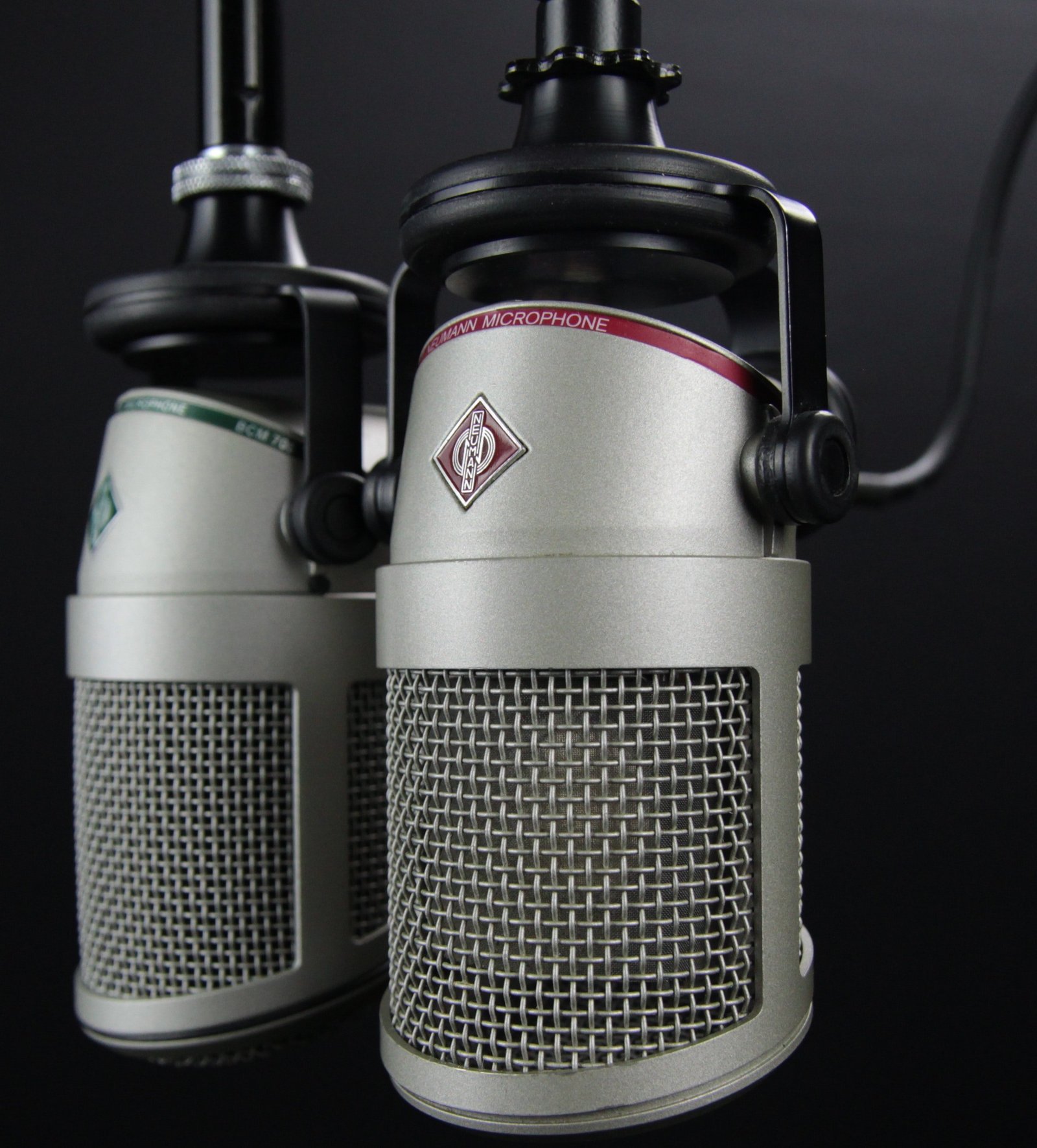
In the ever-evolving landscape of public relations, podcasts have emerged as a powerful tool for communication and branding. With their potential to reach large audiences and engage listeners in a more intimate manner, podcasts have become a popular medium for PR professionals to connect with their target audiences. However, in the midst of leveraging this effective communication channel, it is essential for PR practitioners to navigate the complex legal and regulatory frameworks that govern the podcasting industry. Understanding the legal aspects related to creating and distributing podcast content is crucial to avoid any potential pitfalls that could harm a brand's reputation or lead to legal consequences. #### The Importance of Compliance When delving into the world of podcasting as a PR strategy, it is imperative for professionals to familiarize themselves with the legal guidelines that apply to podcast content. This includes copyright laws, privacy regulations, advertising standards, and defamation laws, among others. By adhering to these legal requirements, PR practitioners can ensure that their podcast content is not only engaging and relevant but also compliant with the law. This not only protects the brand's reputation but also builds trust with listeners by demonstrating a commitment to ethical and responsible communication practices. #### Best Practices for Public Relations Podcasts To create successful public relations podcasts that comply with legal and regulatory standards, consider the following best practices: 1. **Obtain Proper Licensing:** Ensure that you have the necessary rights to use any music, sound effects, or third-party content in your podcast to avoid copyright infringement. 2. **Respect Privacy:** Obtain consent from individuals before featuring them in your podcast to respect their privacy rights and avoid potential legal issues. 3. **Be Transparent in Advertising:** Clearly disclose any sponsored content or advertisements in your podcast episodes to comply with advertising standards and avoid misleading your audience. 4. **Avoid Defamation:** Verify the accuracy of information presented in your podcast to prevent defamation claims and ensure that your content does not harm the reputation of individuals or organizations. 5. **Stay Informed:** Keep updated on the changing legal and regulatory landscape surrounding podcasting to adapt your practices accordingly and maintain compliance. By incorporating these best practices into your public relations podcast strategy, you can effectively leverage the power of podcasts as a communication tool while mitigating legal risks. #### Conclusion Public relations professionals can harness the potential of podcasts to enhance their brand's visibility and engage audiences in meaningful ways. However, it is crucial to navigate the legal and regulatory aspects of podcasting to ensure compliance and safeguard the reputation of the brand. By staying informed about legal requirements, following best practices, and upholding ethical standards, PR practitioners can create compelling and legally compliant podcasts that resonate with their target audiences. In the intersection of public relations, podcasts, and law & regulations lies an opportunity to communicate effectively while upholding legal integrity.


