Addressing Common Complaints About Art and Design Podcasts
Category : |
Sub Category : Posted on 2024-09-07 22:25:23
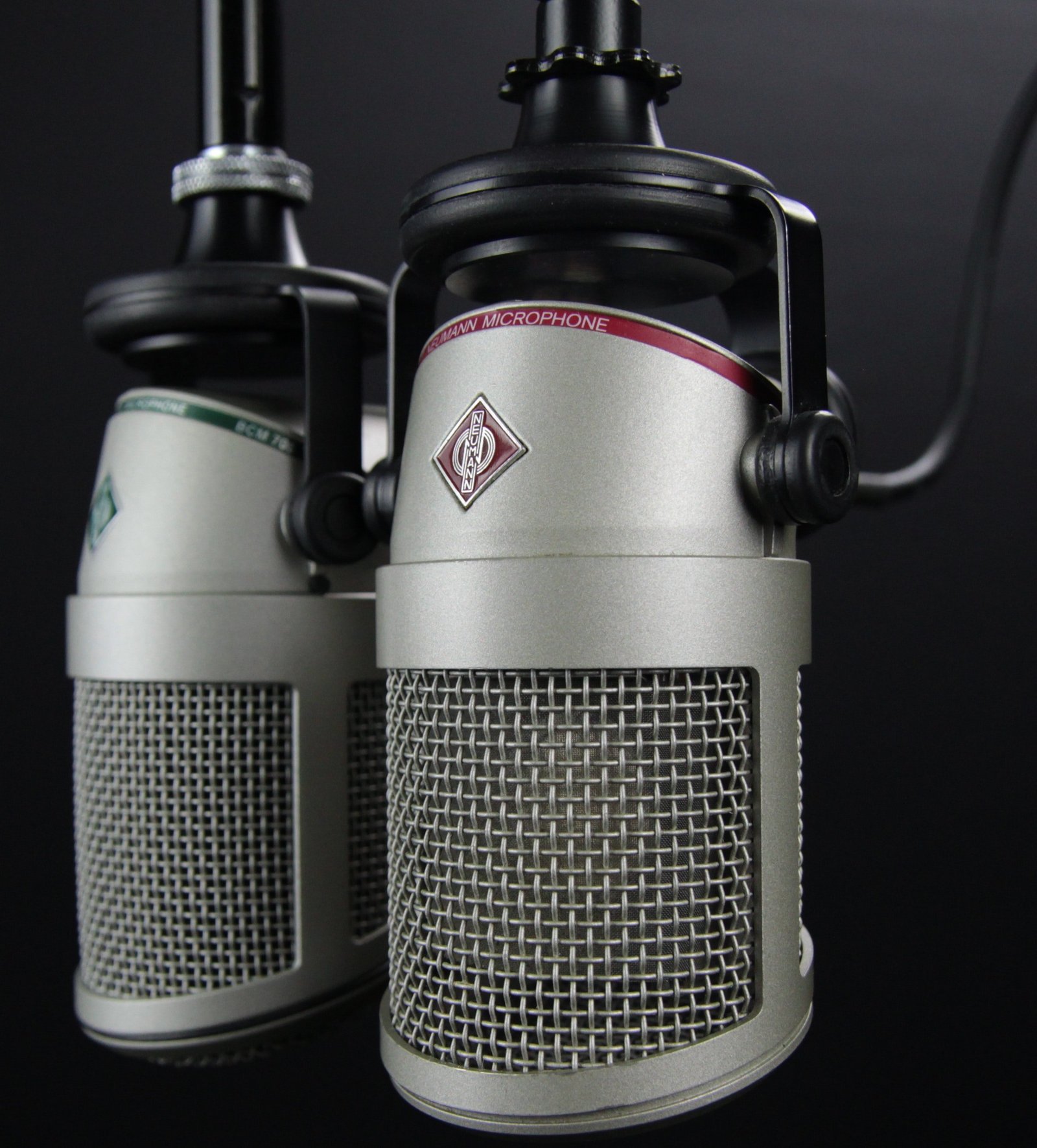
In recent years, podcasts have gained immense popularity as a platform for storytelling, education, and entertainment. Within the vast array of podcast genres available, art and design podcasts have carved out their own niche, offering insights, inspiration, and discussions on various creative disciplines. However, like any form of media, art and design podcasts are not immune to receiving complaints from listeners. In this blog post, we will explore some common complaints about art and design podcasts and discuss how creators can address them. 1. Lack of Diverse Perspectives: One frequent criticism of art and design podcasts is the lack of diversity in the voices and perspectives being showcased. Listeners may express frustration with hearing from the same group of artists or designers repeatedly, leading to a sense of stagnation and a limited scope of experiences being shared. To address this complaint, podcast creators can make a conscious effort to seek out and feature a diverse range of guests from different backgrounds, cultures, and disciplines. By amplifying underrepresented voices, podcasts can offer a more inclusive and dynamic listening experience for their audience. 2. Shallow or Generic Content: Another common complaint is that some art and design podcasts often cover topics or discussions that are deemed too superficial or generic. Listeners may desire more in-depth analysis, behind-the-scenes insights, and thought-provoking conversations that delve into the complexities of the creative process. To combat this criticism, podcast hosts can research their topics thoroughly, invite guests who can provide unique perspectives, and foster conversations that go beyond surface-level discussions. By striving for quality over quantity, podcasts can elevate the caliber of their content and attract a more engaged audience. 3. Inconsistent Release Schedule: Consistency is key in building a loyal audience for any podcast, yet many art and design podcasts receive complaints about irregular or infrequent episode releases. Listeners may express frustration when episodes are sporadic or when long gaps occur between new content. To mitigate this issue, podcast creators should establish a regular release schedule and communicate any changes or delays to their audience in advance. By setting clear expectations and engaging with listeners regularly, podcasts can maintain interest and retain their listenership. 4. Lack of Visual Elements: Given the visual nature of art and design, some listeners may critique podcasts for not incorporating enough visual aids or references to accompany the audio content. While podcasts rely primarily on auditory stimulation, creators can explore ways to integrate visual elements such as accompanying images, video clips, or links to relevant resources in episode descriptions or show notes. By supplementing the audio experience with visual cues, podcasts can enhance the listener's understanding and appreciation of the discussed artworks or designs. Overall, addressing common complaints about art and design podcasts involves actively listening to listener feedback, adapting content strategies, and striving for continuous improvement. By acknowledging and acting upon critiques, podcast creators can cultivate a more engaging, diverse, and enriching listening experience for their audience. Through thoughtful curation, insightful discussions, and a commitment to quality, art and design podcasts can continue to inspire creativity and foster a sense of community within the creative landscape.


