Navigating the Legal Landscape of Competitive Gaming Podcasts
Category : |
Sub Category : Posted on 2024-09-07 22:25:23
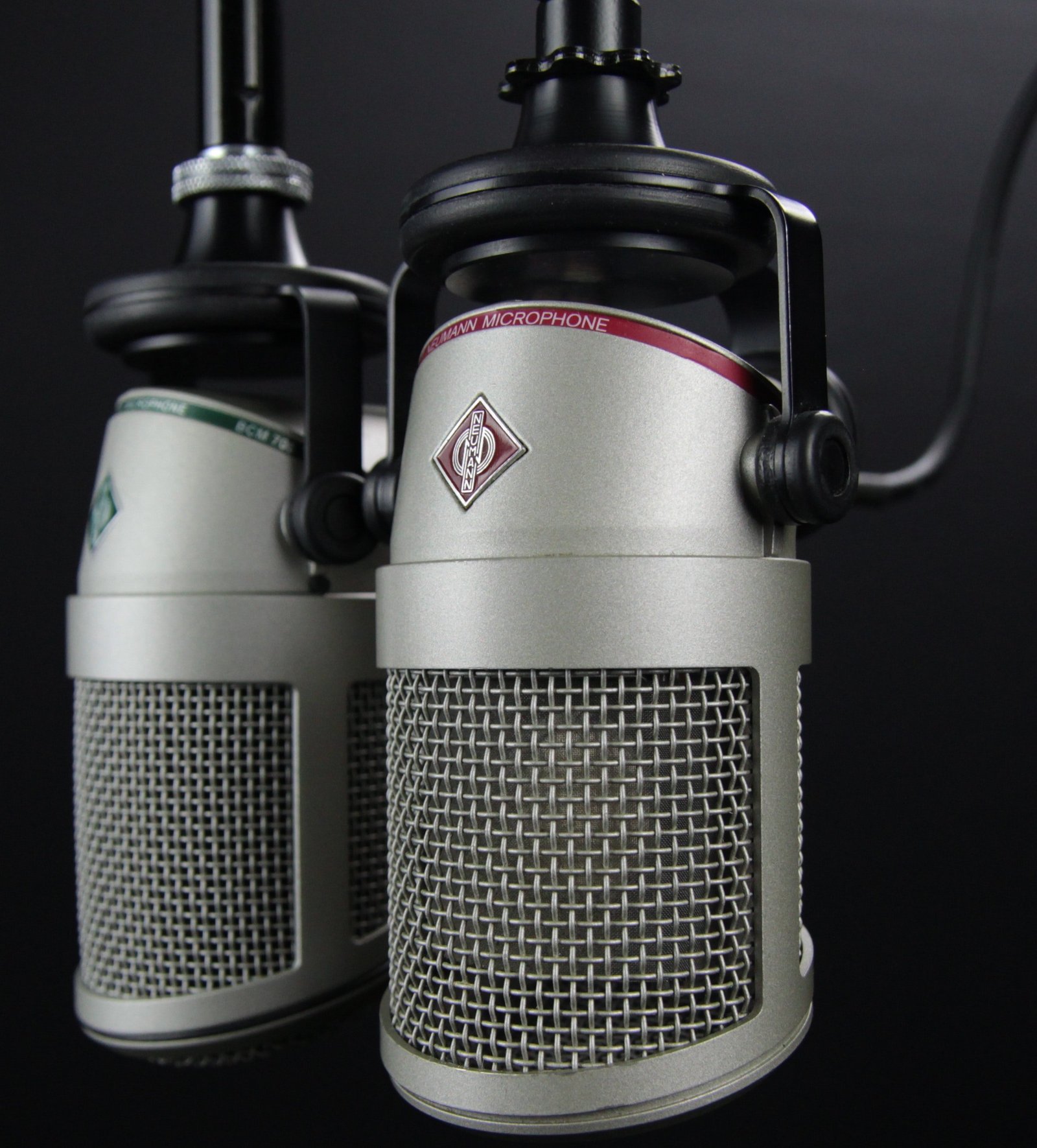
In recent years, podcasts have become a popular medium for discussing a wide range of topics, including competitive gaming. As the esports industry continues to grow, more and more podcasts are emerging to cover the latest news, strategies, and events in the world of competitive gaming. However, along with the rise in popularity of competitive gaming podcasts comes a need to navigate the legal landscape surrounding this rapidly evolving industry. One of the key legal considerations for competitive gaming podcasts is intellectual property rights. Podcast creators must be mindful of using copyrighted material such as game footage, music, or images without obtaining the necessary permissions. In the world of competitive gaming where content creation is king, it is crucial for podcasters to respect the intellectual property of game developers and other creators. Another important legal aspect to consider is the use of trademarks and branding in competitive gaming podcasts. Podcasters should be cautious when using trademarks or logos of game developers, teams, or sponsors in their episodes or promotional materials. Unauthorized use of trademarks can lead to legal disputes and damage the reputation of the podcast. Furthermore, podcasters should be aware of the legal implications of hosting contests or giveaways on their shows. In many jurisdictions, there are specific laws and regulations governing the conduct of promotions and sweepstakes, including the requirement to disclose details such as eligibility criteria, prize descriptions, and rules of entry. Failing to comply with these regulations can result in legal consequences for the podcast creators. Moreover, as the esports industry continues to professionalize, there may be potential for legal disputes arising from sponsorship deals, licensing agreements, or player contracts discussed on competitive gaming podcasts. It is important for podcast creators to exercise caution when commenting on these sensitive topics and to ensure that they are accurately representing the facts to avoid legal liability. In conclusion, while competitive gaming podcasts offer a valuable platform for discussing the latest trends and developments in the esports industry, podcasters must be vigilant about navigating the legal landscape to avoid potential pitfalls. By understanding and adhering to intellectual property laws, trademark regulations, contest rules, and other legal considerations, podcast creators can continue to engage with their audience and contribute positively to the competitive gaming community.


