Exploring the Impact of Hyperinflation on Podcasts and Books
Category : |
Sub Category : Posted on 2024-09-07 22:25:23
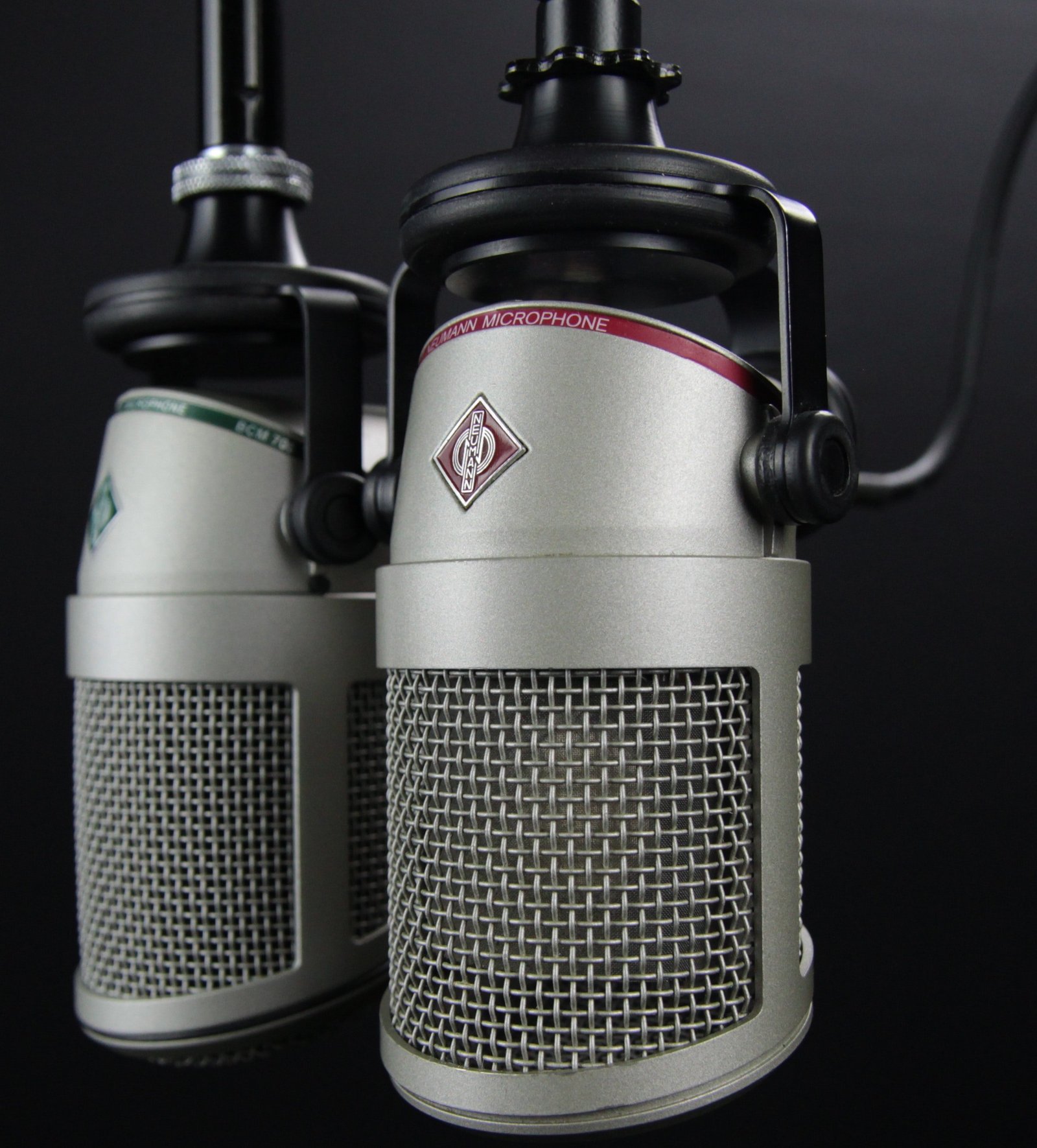
In recent times, the concept of hyperinflation has garnered significant attention as it impacts various aspects of our lives, including the world of podcasts and books. Hyperinflation occurs when prices increase rapidly as a currency loses its value, leading to a decrease in the purchasing power of consumers. This economic phenomenon can have profound effects on the production, consumption, and distribution of podcasts and books. Podcasts are a popular form of digital media that have gained immense popularity in the past decade. They cover a wide range of topics, from true crime to self-help, and attract millions of listeners worldwide. However, hyperinflation can affect the podcasting industry in several ways. For one, production costs may rise, making it challenging for independent creators to afford quality equipment and services. This could lead to a decrease in the overall production quality of podcasts. Moreover, hyperinflation can also impact advertising revenues for podcasts. As businesses struggle to cope with rising costs, they may reduce their advertising budgets, resulting in fewer sponsorship opportunities for podcasters. This, in turn, could force podcast creators to seek alternative sources of funding, such as donations or subscription models, to sustain their shows. On the other hand, the publishing industry, particularly the production and distribution of books, may also be affected by hyperinflation. Printing costs, paper prices, and shipping expenses could all increase, making it more expensive for publishers to produce physical copies of books. As a result, consumers may see a rise in book prices, ultimately affecting their purchasing power and reading habits. In response to hyperinflation, authors and publishers may turn to digital publishing as a more cost-effective alternative. E-books and audiobooks, which require minimal production and distribution costs, could become more prevalent in the market. This transition to digital formats may offer a more sustainable solution for authors and publishers to continue reaching their audience despite economic challenges. In conclusion, hyperinflation has the potential to reshape the landscape of podcasts and books. While the economic phenomenon poses challenges for creators and consumers alike, it also presents opportunities for innovation and adaptation. As the digital age continues to evolve, podcasters and authors must find creative ways to navigate the changing economic environment and continue to produce engaging content for their audiences.


